Seasonal fruit variability is a production variable, not just a sourcing issue
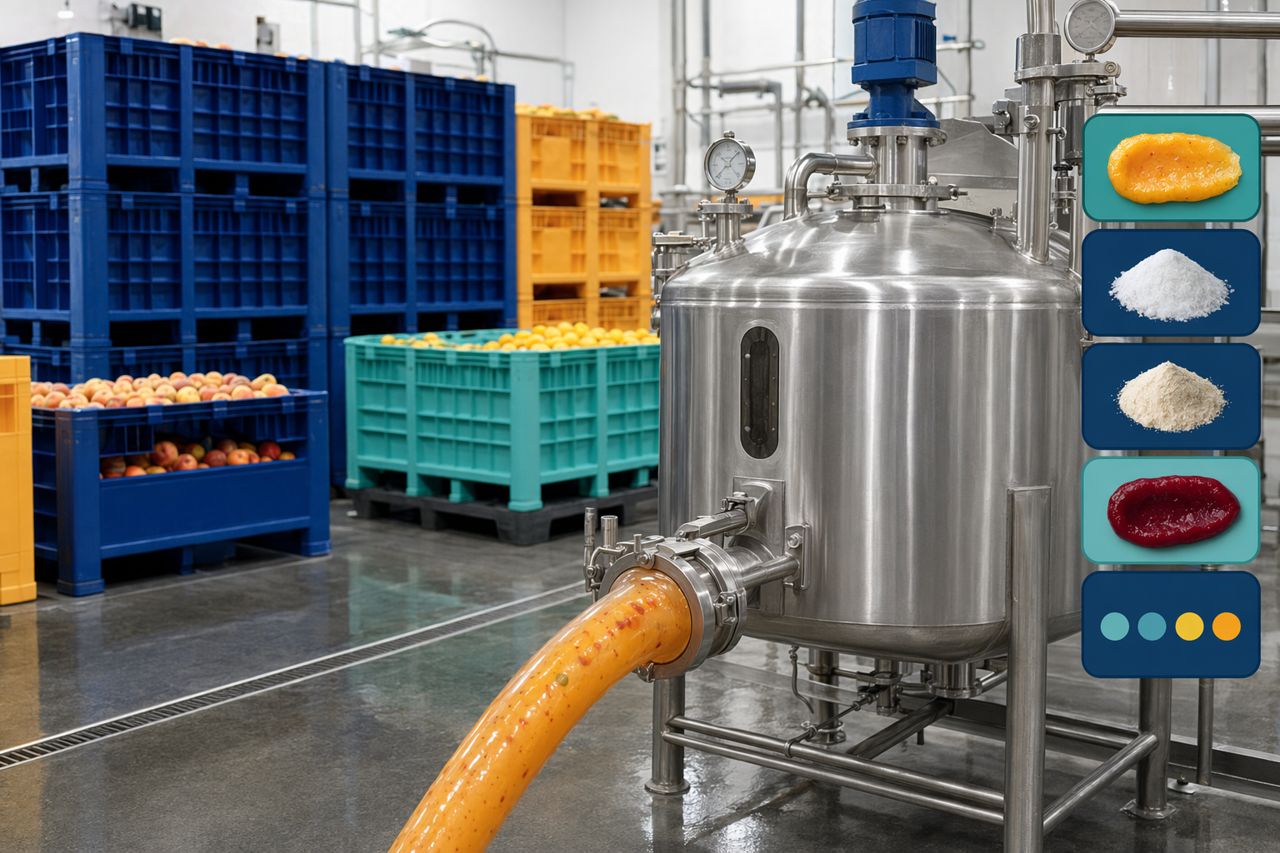
Fruit does not behave the same from week to week. Harvest timing, region, storage age, ripeness, puree handling, and concentrate rework can all shift what arrives at your dock. For a contract beverage co-packer, those changes do not stay in the ingredient cage. They show up in the tank, the filter, the filler, the pasteurizer, the lab hold, and the finished SKU record.
That is where enzyme planning earns its place. The right enzyme strategy can help stabilize processing behavior when pulp, pectin, starch, and color load move outside the comfortable range. Enzyone works as an enzyme supplier for beverage co-packers that need practical process support, not vague biotech claims.
The objective is simple: keep seasonal fruit variation from breaking line discipline.
What changes when fruit season changes
Seasonal fruit shifts are rarely one-dimensional. A lot may be in spec for brix, acidity, and micro, but still behave differently in production.
Common plant-floor signals include:
- Higher tank viscosity after fruit addition
- Pulp that settles too quickly or refuses to settle predictably
- Slower transfer through screens, strainers, and filters
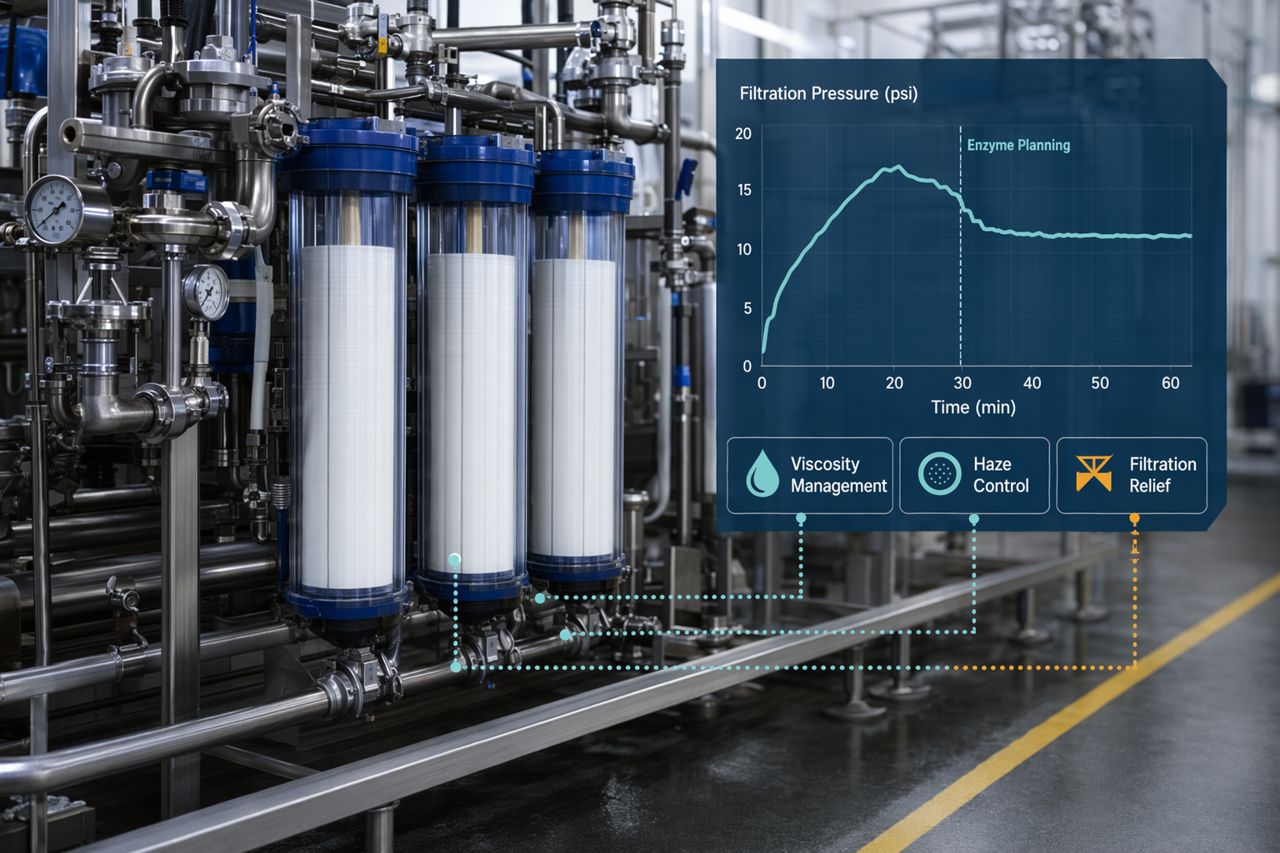
- Rising differential pressure during filtration
- Haze development after heat treatment or during cold storage
- Starch-driven cloud or body changes in certain juice systems
- Color variation after heat exposure or hold time
- Longer cleanout after sticky or fibrous batches
- More operator intervention during a SKU that should be routine
For a co-packer, these are not academic problems. They affect schedule confidence, changeover timing, labor planning, product release, and customer trust.
Pectin: the quiet driver of viscosity, haze, and filtration load
Pectin variation is one of the most common causes of unstable fruit-beverage behavior. Ripeness, peel carryover, fruit variety, and puree manufacture can all change pectin profile.
When pectin load is high or less predictable, plants may see:
- Heavy mouthfeel outside the customer target
- Poor clarification or inconsistent cloud behavior
- Increased filter loading
- Slow tank turnover
- More difficult blending into functional beverage bases
- Haze complaints after product has already cleared initial checks
A pectin-focused enzyme approach can support more predictable viscosity reduction, improved solids handling, and steadier downstream separation. For co-packers, the win is not just a clearer beverage. The win is a batch that moves through the plant as planned.
Pulp and fiber: protecting flow without stripping product identity
Many fruit beverages need pulp, body, or natural texture. The challenge is managing that texture without letting fiber overload the process.
Enzyme treatment can be used to modify fruit matrix behavior so tanks transfer more cleanly and downstream equipment sees a more manageable load. The target is controlled processing, not over-processing.
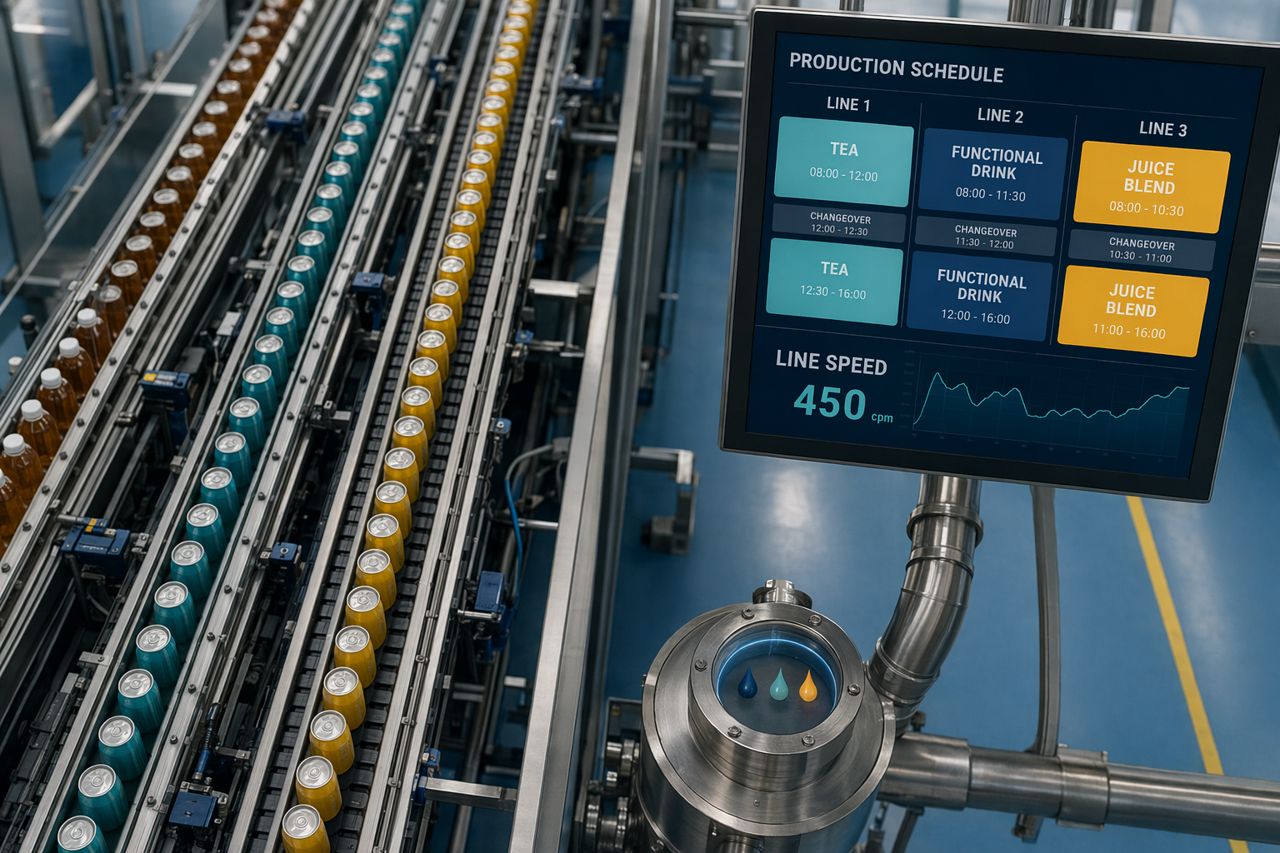
That matters in multi-SKU plants where one line may move from a tea with fruit inclusion to a juice blend, then to a functional drink with botanical solids. If the enzyme plan is too aggressive, the customer may reject texture. If it is too conservative, production absorbs the delay.
Enzyone helps define a usable operating window around the actual beverage format, including:
- Fruit form: puree, concentrate, juice, prep, or inclusion
- Desired finished texture
- Hold time available before heat treatment
- Tank temperature profile
- Mixing intensity
- Separation or filtration step
- Label, customer, and documentation constraints
Starch: the hidden seasonal contributor
Starch is not always the first suspect in beverage instability, but it can be a real factor in certain fruit systems and blends. Immature fruit, specific varieties, and processing conditions can create starch-related cloud, body, or filtration issues.
In practical terms, starch variability can contribute to:
- Unexpected haze
- Thicker-than-planned batch behavior
- Slower finishing through filtration
- Inconsistent appearance after heat exposure
- Rework decisions that consume tank time
An amylase-based strategy may be useful where starch is part of the seasonal risk profile. The point is not to add complexity. The point is to prevent a hidden ingredient characteristic from becoming a late-stage production problem.
Color changes: enzymes are part of the planning conversation
Color is sensitive to fruit source, oxygen exposure, heat, pH, metals, and hold time. Enzyme treatment is not a universal color fix, and it should not be sold that way. But enzymes can influence how solids, haze-forming material, and fruit matrix components behave before heat and filling.
For co-packers, color planning should connect enzyme selection with the full process route:
- When fruit enters the batch
- How long it waits before thermal processing
- Whether the product is filtered, screened, or left cloudy
- Whether botanical or protein ingredients are present
- How much rework is allowed
- What the customer defines as acceptable appearance drift
A controlled enzyme plan can reduce avoidable variation upstream, giving quality and production teams a cleaner basis for color decisions.
Build the seasonal enzyme plan before the first difficult lot
The worst time to design an enzyme response is when a full tank is already missing schedule. A better approach is to plan before the fruit stream changes.
A seasonal readiness plan should include:
-
Ingredient history
Review last season's problem lots, high-viscosity batches, filter slowdowns, haze events, and customer complaints. -
SKU risk grouping
Separate products by process sensitivity: clear beverages, cloudy beverages, pulp-containing beverages, functional drinks, and heat-sensitive blends. -
Tank behavior targets
Define what good looks like for transfer, mixing, settling, and hold time. -
Filtration relief goals
Identify where enzyme treatment should reduce load, improve consistency, or protect throughput. -
Changeover fit
Confirm where the enzyme step can live without disrupting batching rhythm or sanitation discipline. -
Documentation package
Create a repeatable record for customer review, internal quality, lot traceability, and future troubleshooting.
What predictable trials look like in a co-packing plant
Co-packers do not have unlimited trial time. Trials need to be tight, documented, and tied to production decisions.
A practical enzyme trial should answer:
- Does the batch transfer more consistently?
- Does the viscosity profile fit the process window?
- Does filtration pressure rise more slowly?
- Does haze risk decrease without damaging the intended appearance?
- Does the treatment fit current tank timing?
- Can operators repeat the process without special handling confusion?
- Can QA document the decision clearly enough for customer review?
Enzyone supports trials around plant realities: tank availability, shift coverage, line scheduling, heat treatment timing, filter capacity, and multi-SKU changeover pressure.
How enzyme planning helps the commercial side of co-packing
Seasonal fruit variability is a production issue, but it quickly becomes a commercial issue. Missed turns, slow releases, and repeated troubleshooting erode margin on work that may already be tightly priced.
An enzyme plan can help protect:
- Line uptime
- Tank utilization
- Labor planning
- Filter life and changeout frequency
- Release predictability
- Customer confidence
- Repeatability across fruit suppliers
- Documentation quality for future runs
For sales and account teams, that means fewer vague explanations to customers. For plant managers, it means fewer batches that require heroics.
Where Enzyone fits
Enzyone supplies enzyme solutions for beverage co-packers managing fruit-based, juice-based, tea-based, functional, and hybrid beverage SKUs. We focus on the operating problems that matter in a contract plant: viscosity management, filtration relief, haze control, tank behavior, changeover discipline, and clean documentation.
We can help you assess:
- Whether pectin, starch, pulp, or fiber is likely driving the issue
- Which enzyme class fits the product and process route
- Where treatment belongs in the batch sequence
- How to evaluate performance without slowing the plant
- What documentation should travel with the production decision
Request a quote for a seasonal enzyme plan
If seasonal fruit variability is already affecting throughput, filtration, haze, or customer release timing, it is worth planning before the next difficult lot arrives.
Request a quote from Enzyone and tell us the beverage format, fruit inputs, process route, and production constraint you need to solve.