Tannase for Tea, Botanical, and Low-Haze Beverage Programs
For contract beverage co-packers, tea and botanical SKUs are not just flavor systems. They are tank behavior, filtration load, cooling curves, hold-time discipline, packaging appearance, and customer signoff.
Enzyone supplies tannase for beverage teams that need a repeatable way to manage tannin-driven haze pressure in tea, botanical, and functional beverage programs. If your plant is balancing black tea, green tea, yerba mate, herbal extracts, fruit-tea blends, and acidified functional drinks across the same schedule, tannase can be evaluated as part of a tighter clarity and shelf-appearance process.
Enzyone is an enzyme supplier for beverage co-packers that need plant-ready support, not vague biotech claims.
Why tea and botanical SKUs create haze risk
Tea and botanical beverages carry polyphenols, tannins, minerals, proteins, gums, flavor carriers, sweeteners, acids, and extract variability into the same tank. A batch can look acceptable during batching, then shift after cooling, dilution, pasteurization, carbonation, filtration, or time in the warehouse.
Common co-packer pain points include:
- Tea cream or haze appearing after the batch leaves the blend tank
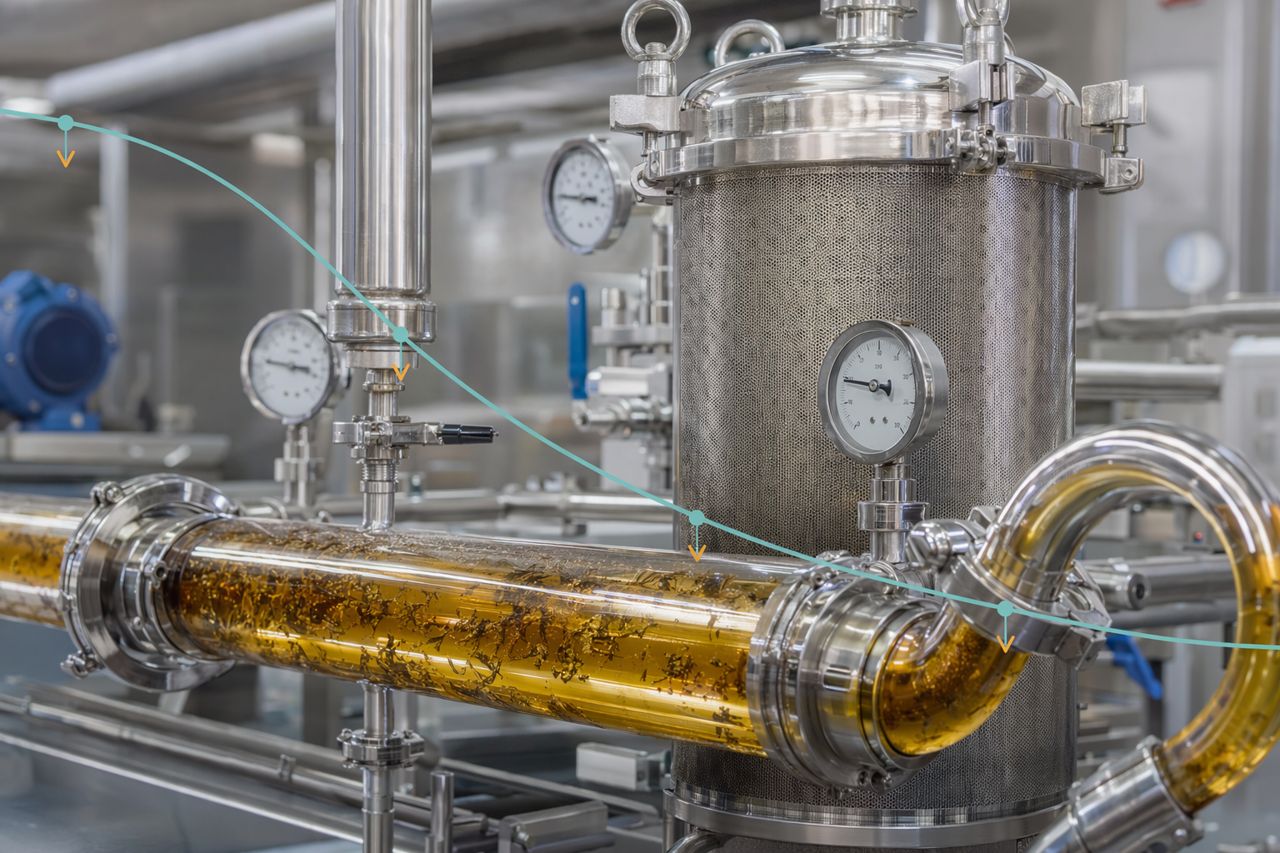
- Filtration slowing down as solids and complexes accumulate
- Customer specs that require clear, bright, or low-sediment appearance
- Rework tied to extract variability or process drift
- Line delays when one botanical SKU behaves differently from the last one
- Extra holds for visual checks before release
- Documentation gaps during customer review or quality investigation
Tannase is used to help reduce tannin-related haze formation by modifying tannin structures that can contribute to clouding, precipitation, and downstream filtration stress. For a co-packer, the value is not simply ingredient addition. The value is a controlled processing decision that can be trialed, documented, and repeated.
Where tannase fits in a co-packing workflow
Tannase evaluation is strongest when it is tied to the plant’s actual process route. Enzyone helps teams map the enzyme into the operating conditions that matter:
- Extract type and concentration
- Blend sequence and ingredient order
- pH range and acid addition point
- Temperature profile and hold time
- Agitation and tank geometry
- Filtration media and target throughput
- Pasteurization or hot-fill exposure
- Carbonation or still packaging route
- Expected shelf appearance and customer release criteria
The goal is to avoid one-off bench results that fail when moved to production. We help your team define a trial that respects your schedule, your equipment, and your customer’s specification.
Beverage programs that may benefit
Tannase may be worth evaluating in beverage programs where tannin behavior affects clarity, filterability, or shelf appearance.
Ready-to-drink tea
Black tea, green tea, oolong, and blended tea bases can develop haze from polyphenol interactions, temperature shifts, and extract variability. Tannase can support clearer, more predictable visual performance when paired with disciplined processing.
Botanical and herbal beverages
Botanical extracts bring natural variability. Roots, barks, leaves, flowers, and concentrated infusions can interact unpredictably with acids, minerals, sweeteners, and flavor carriers. Tannase can be evaluated where tannin load is part of the haze challenge.
Functional drinks with tea or plant extracts
Functional beverages often combine tea solids, botanical extracts, vitamins, minerals, acids, colors, and flavors. That ingredient density can increase haze risk and filtration pressure. A tannase program can help define a cleaner process window.
Juice-tea and fruit-botanical blends
Fruit acids, pectin-containing juice components, tea solids, and botanical extracts can create complex appearance issues. Tannase is not a universal fix for every turbidity source, but it can be part of the toolkit when tannin-driven haze is confirmed as a contributor.
What co-packers should measure during a tannase trial
A good trial does not stop at whether a sample looks clearer in a cup. Co-packers need production-relevant evidence.
Track the operating signals that affect cost, release timing, and line confidence:
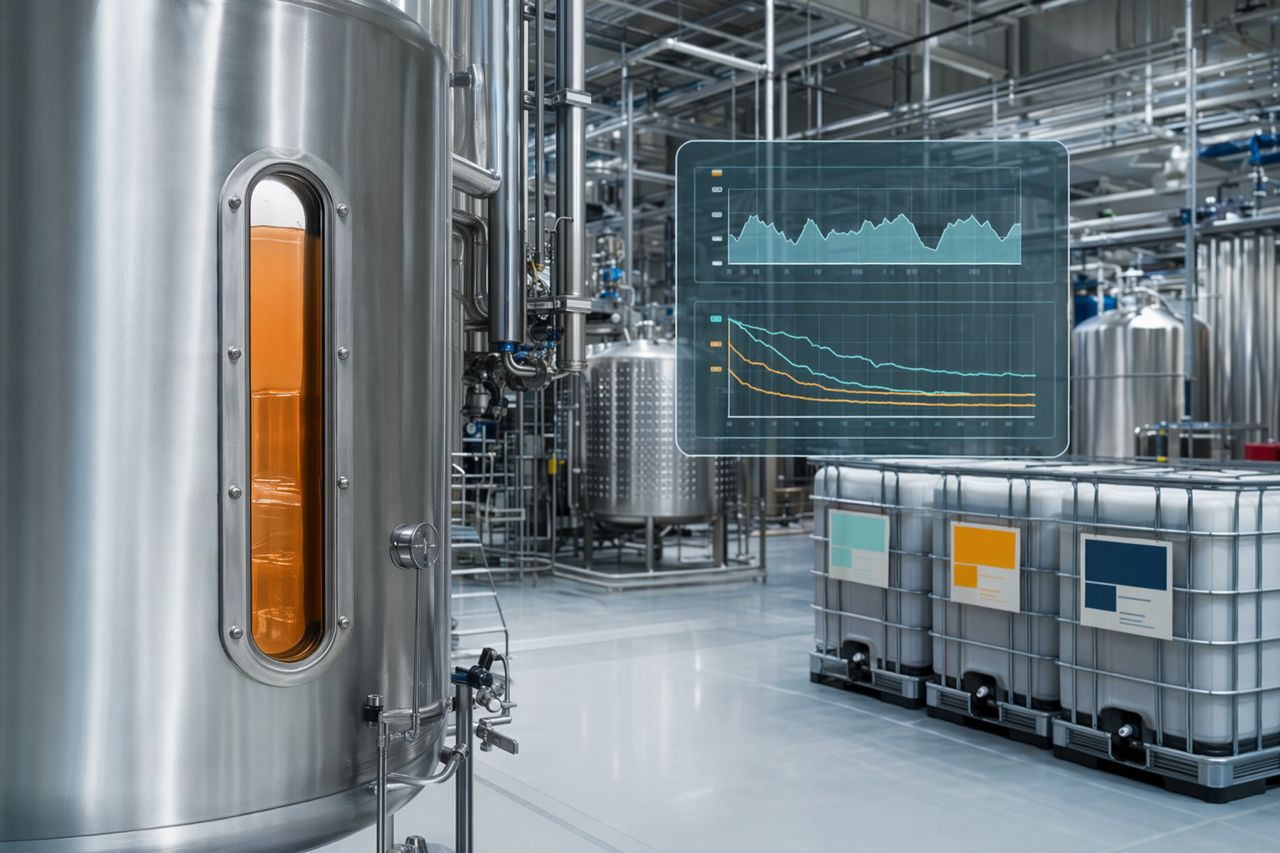
- Blend tank appearance before and after treatment
- Cooling stability and post-hold appearance
- Filter differential pressure trend
- Filter life or changeout frequency
- Throughput consistency across the run
- Sediment formation during retained sample checks
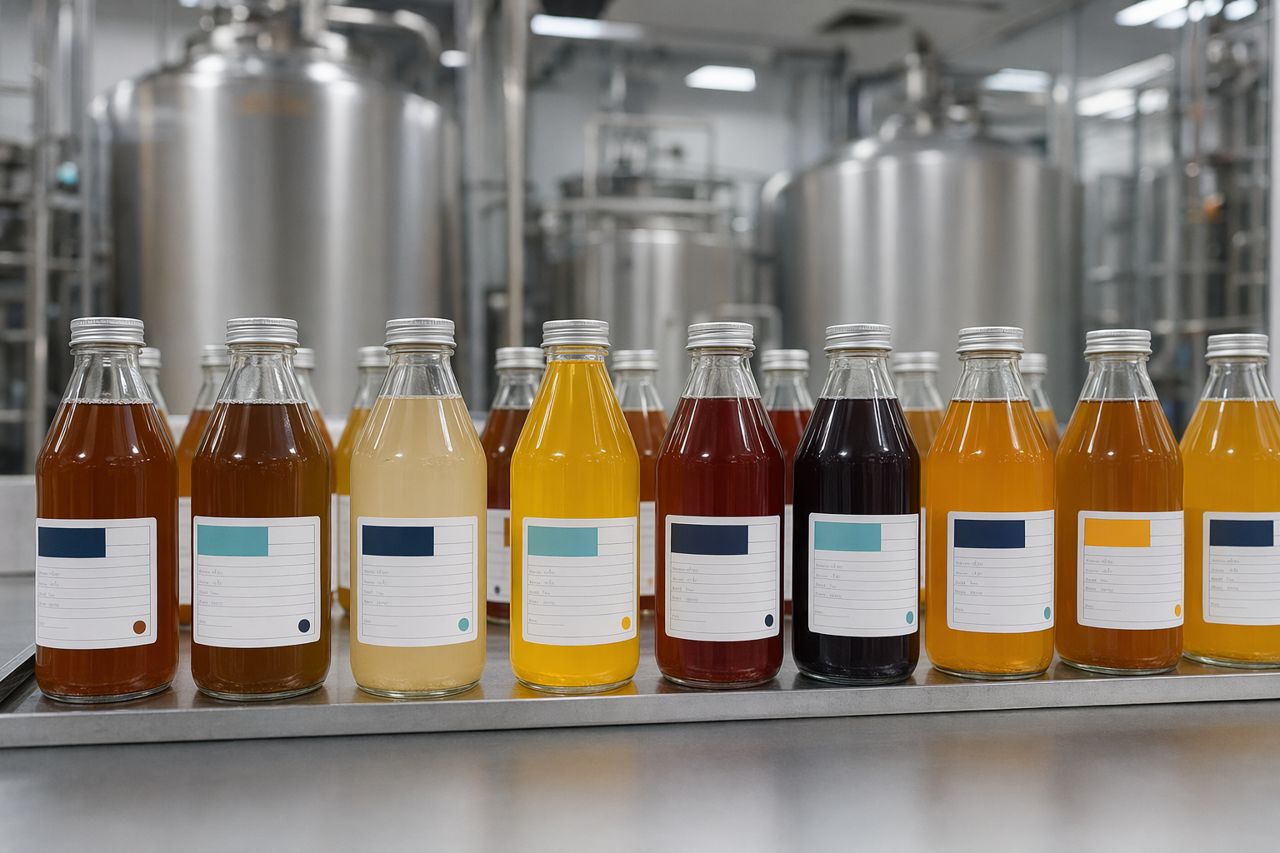
- Visual appearance after heat exposure, refrigeration, and ambient storage
- Flavor and color alignment with the approved standard
- Impact on changeover timing and CIP expectations
- Batch record parameters needed for repeatability
Enzyone helps structure the comparison against your current process, not an unrealistic lab-only condition.
Built for multi-SKU beverage plants
Co-packers do not have the luxury of treating every SKU like a research project. Your team may be switching from sweet tea to an energy refresher to a botanical shot to a juice blend in the same production window.
Our support is designed around that reality:
- Fast technical intake before trial planning
- Clear process assumptions before material is quoted
- Practical starting recommendations tied to your route
- Documentation for purchasing, quality, and customer conversations
- Support for scale-up from pilot to production
- Attention to changeover, hold-time, and line scheduling constraints
We speak in terms of tank behavior, filtration relief, haze control, viscosity management where relevant, and documentation your team can use.
Tannase is one control point, not a slogan
Tannase should be evaluated honestly. If the haze is driven mainly by pectin, protein, mineral instability, flavor emulsion failure, microbial risk, or incompatible sweetener systems, tannase may not be the primary answer.
That is why we start with the beverage matrix and process path. We want to understand what your plant is seeing before we recommend a trial. The right outcome may be tannase alone, tannase combined with other process adjustments, or a different clarity strategy.
What we need to quote and support the trial
To prepare a practical quote and technical starting point, send as much of the following as your team can share:
- Beverage type and target appearance
- Tea or botanical source and format
- Current process flow from batching through packaging
- pH range, heat step, and hold conditions
- Filtration format and current bottleneck
- Batch size range for trial and production
- Packaging format: can, bottle, carton, keg, or bulk
- Current haze, sediment, or filter-loading issue
- Customer release criteria or retained-sample concern
- Desired trial timeline
Request a quote
Ready to evaluate tannase for a tea, botanical, or low-haze beverage program? Use the on-site request form and include your batch details. Enzyone will review the process route, recommend a trial approach, and prepare a quote for your plant team.